Protecting Families.
Empowering Communities.
RAM PNG supports malaria prevention and response by providing sustainable solutions that reduce the impact of malaria in the community.
News & Updates
The 22 participants arrival at Shanghai International Airport welcomed by the JIPD staff.
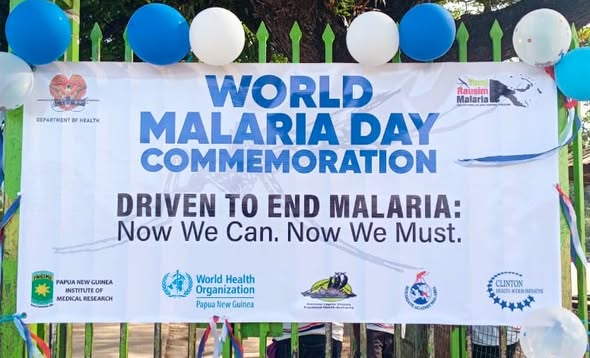
World Malaria Day 2026 Commemoration at St. Peter Chanel Primary School, Erima
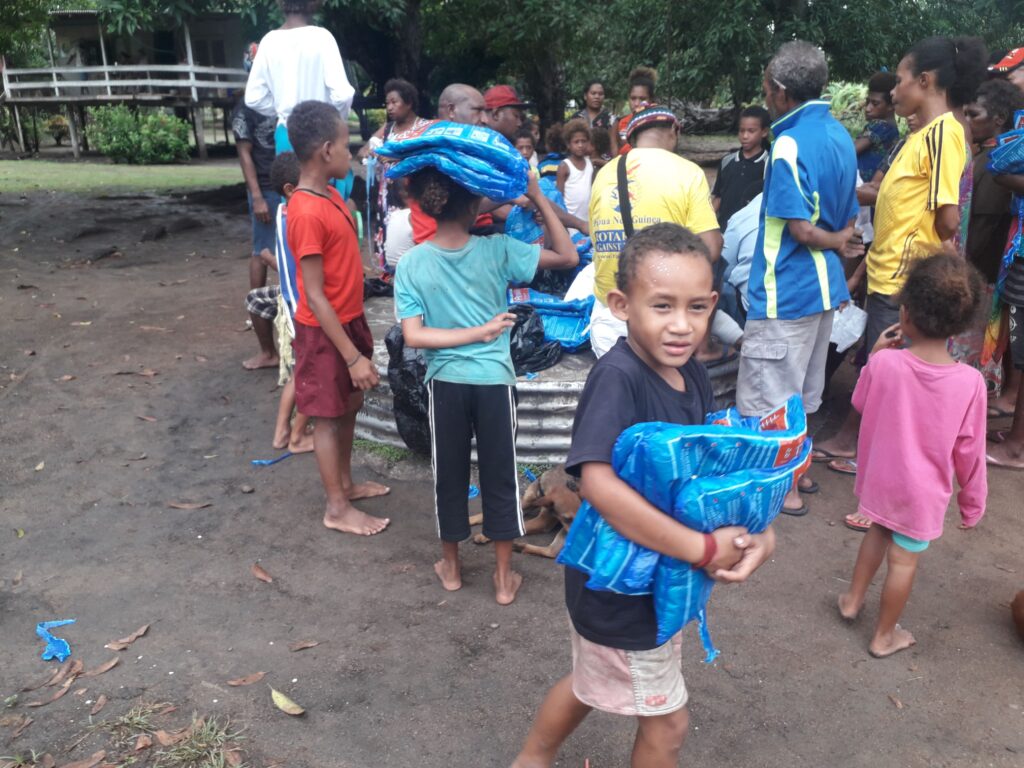
Morobe Province Health Service
Our Mission Statement
Our mission is to reduce the impact of malaria in Papua New Guinea by supporting community-based prevention and response efforts, strengthening partnerships, and sharing accurate information that protects lives.
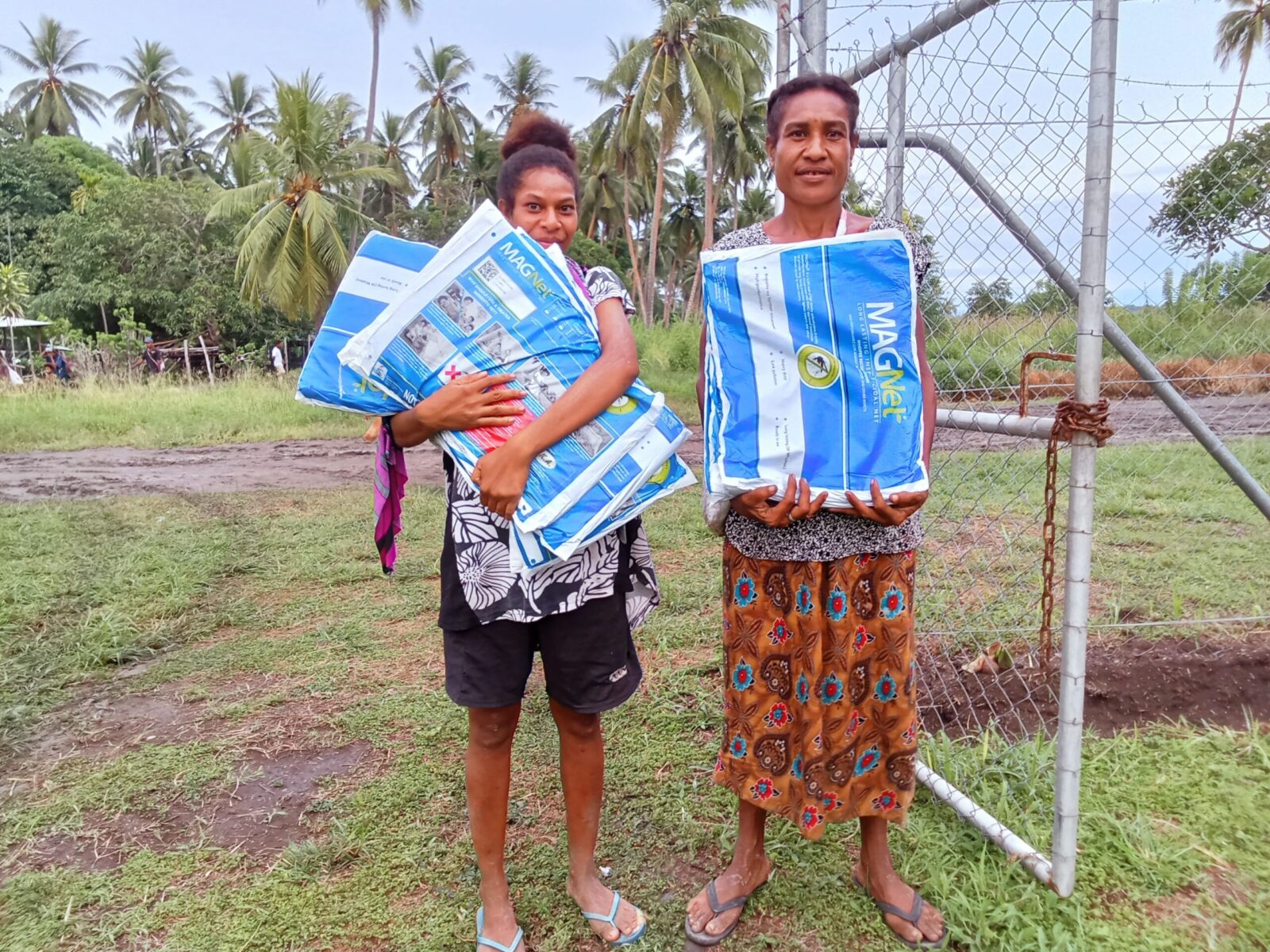
Success Story
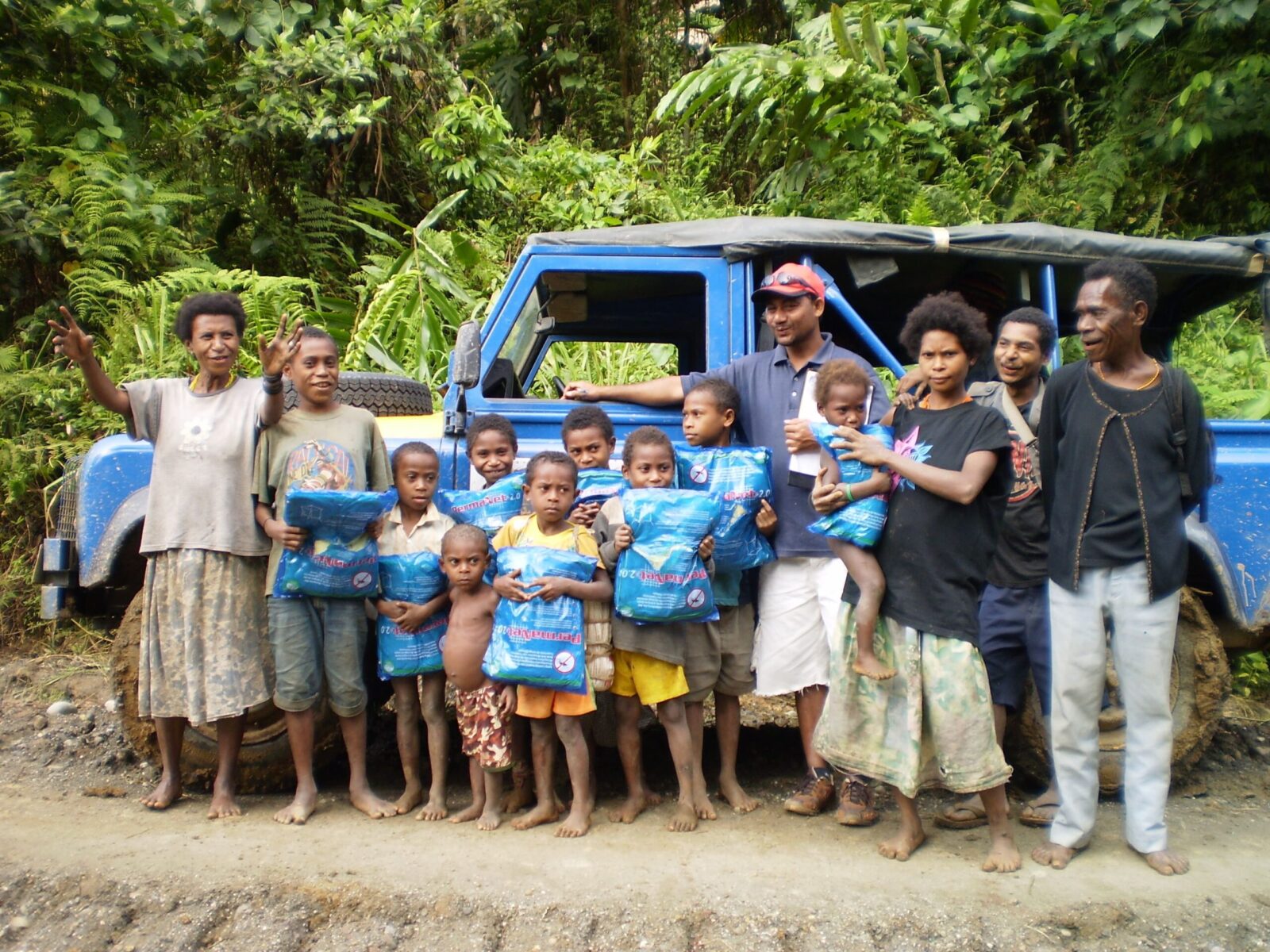
In 2023, RAM PNG successfully delivered 86,881 long-lasting insecticide-treated nets (LLINs) across Morobe Province, reaching 170,958 people with malaria protection. This equated to approximately 50.8 nets per 100 people, helping ensure strong coverage across targeted areas.
The distribution was completed smoothly and effectively, driven by excellent collaboration with provincial and district health authorities. Through this partnership, RAM PNG was able to reach all targeted communities, with households receiving nets as planned demonstrating what is possible when strong coordination meets a clear public health goal.